
NATION WIDE LADDER & EQUIPMENT
NH: 603-434-6911MA: 508-754-3030ME: Regular weekly deliveries from NH
- Home
- Blog
Let Nationwide Ladder & Equipment Help You Find What You Need.
2026 Best Ladder Safety Tips for Home and Professional Use?
Ladder safety is essential for both home and professional environments. Many accidents occur due to improper use of ladders. Whether you're a homeowner tackling a DIY project or a professional contractor, understanding safe practices is key.
In 2026, we must reflect on how we use ladders. Are we always checking for damage? How often do we consider the ground underneath? These factors can make a significant difference. Ladder safety involves proper equipment and personal responsibility.
When using a ladder, every detail matters. Consider your footwear and the ladder's height. It's crucial to maintain three points of contact while climbing. Many people skip this simple rule, leading to falls. By recognizing these small oversights, we can improve ladder safety for everyone.

Table of Contents
[Hide]
Understanding Ladder Types and Their Appropriate Uses
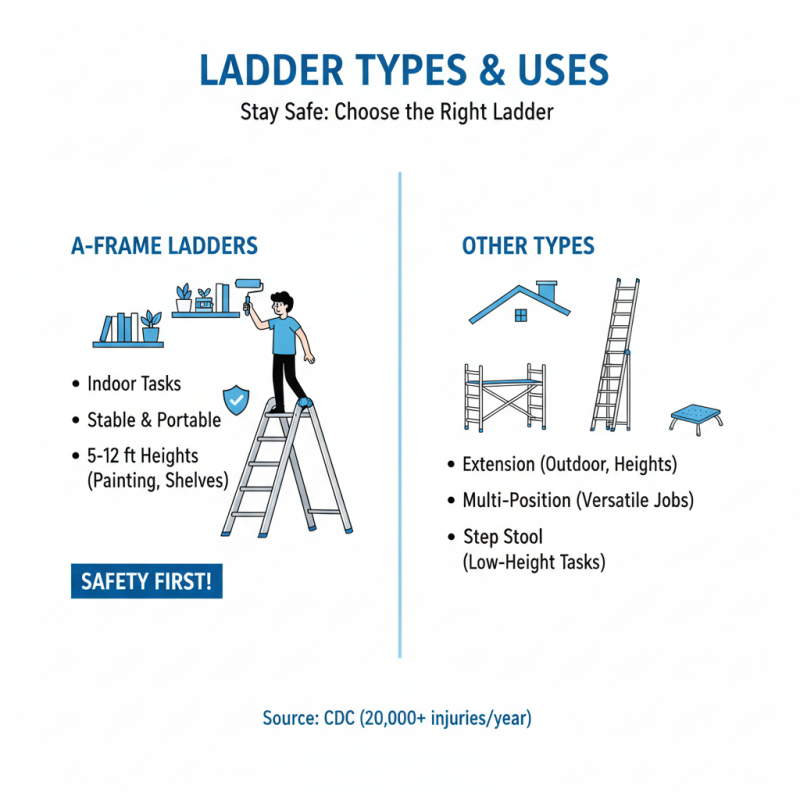
Ladders come in various types, each designed for specific jobs. Understanding these types is crucial for safety. According to a study by the Centers for Disease Control and Prevention (CDC), falls account for over 20,000 ladder-related injuries annually in the U.S. A-frame ladders are ideal for indoor tasks. They are stable, portable, and provide a solid base. These ladders typically reach heights of 5 to 12 feet and are suitable for tasks like painting or reaching high shelves.
Extension ladders, on the other hand, are meant for outdoor work. They can extend to heights of 40 feet or more. However, their length can lead to instability if not set up properly. Nearly 50% of ladder accidents are caused by improper positioning. It's essential to ensure an angle of 75 degrees when setting these up. A proper setup doesn't guarantee safety, but it significantly reduces risks. Always inspect ladders for damage before using them. Even slight wear can lead to serious accidents.
Essential Ladder Inspection and Maintenance Practices
Ladders are essential for many tasks at home and on the job. Regular inspection is crucial to ensure safety. Check for cracks, bends, and rust. These issues can weaken the ladder and lead to accidents. Make it a habit to inspect the ladder before each use. It's an easy step that can save lives.
Maintenance is just as vital. Clean the ladder after use to remove dirt and residues. This helps prevent corrosion. Store the ladder in a dry place to avoid moisture damage. A little effort goes a long way. Remember to tighten loose bolts and hinges; they can lead to unexpected failures.
Sometimes, people overlook these checks. They assume everything is fine. Don’t fall into that trap. Reflect on your practices regularly. A few minutes spent on ladder care can prevent serious injuries. Be aware of the ladder's history. An old ladder might seem sturdy but could be compromised. Trust your instincts and never take safety for granted.
Safety Gear and Precautions for Ladder Use
When using ladders, safety gear is essential. Reports indicate that falls from ladders account for over 20,000 emergency room visits annually in the U.S. The right equipment can reduce injuries significantly. Always wear a safety helmet and non-slip shoes to protect yourself. Consider using a harness for higher climbs. Heavy-duty gloves can also provide grip, especially in wet conditions.
Precautions should be a priority. Inspect the ladder for damage before use. Ensure it rests on stable ground. It is crucial to maintain three points of contact while climbing. This means two hands and one foot, or two feet and one hand. Many overlook this, leading to accidents. Ladder safety training can be beneficial. Some studies suggest that improper ladder use doubles the risk of falls.
In addition, consider environmental factors. Is the weather suitable for using a ladder? Rain and wind can make conditions hazardous. Also, watch for electrical lines overhead. Neglecting this can have fatal consequences. Regularly reviewing safety protocols ensures better practices and awareness. It’s not just about using ladders; it’s about being proactive. Small actions can prevent significant injuries.
2026 Best Ladder Safety Tips for Home and Professional Use
| Safety Tip | Description | Use Case | Precautions |
|---|---|---|---|
| Inspect Your Ladder | Check for any damage, rust, or wear before use. | Home and Professional | Replace or repair damaged ladders. |
| Choose the Right Ladder | Select a ladder that is appropriate for your task's height and weight requirement. | Professional | Avoid overloading the ladder. |
| Position Correctly | Set your ladder on a stable and level surface. Use ladder levelers if necessary. | Home and Professional | Avoid soft or unstable ground. |
| Maintain Three Points of Contact | Always have two hands and one foot, or two feet and one hand on the ladder. | Home and Professional | Avoid carrying heavy or unbalanced loads while climbing. |
| Use Proper Footwear | Wear shoes with non-slip soles to maintain grip. | Home and Professional | Avoid wearing sandals or slippers. |
| Don’t Overreach | If you can't reach the area, climb down and reposition the ladder. | Home and Professional | Minimize the risk of falls. |
| Secure the Ladder | Ensure the ladder is stable and can't be knocked over. | Home and Professional | Use stabilizers or a partner to hold the base. |
Best Practices for Setting Up and Climbing Ladders
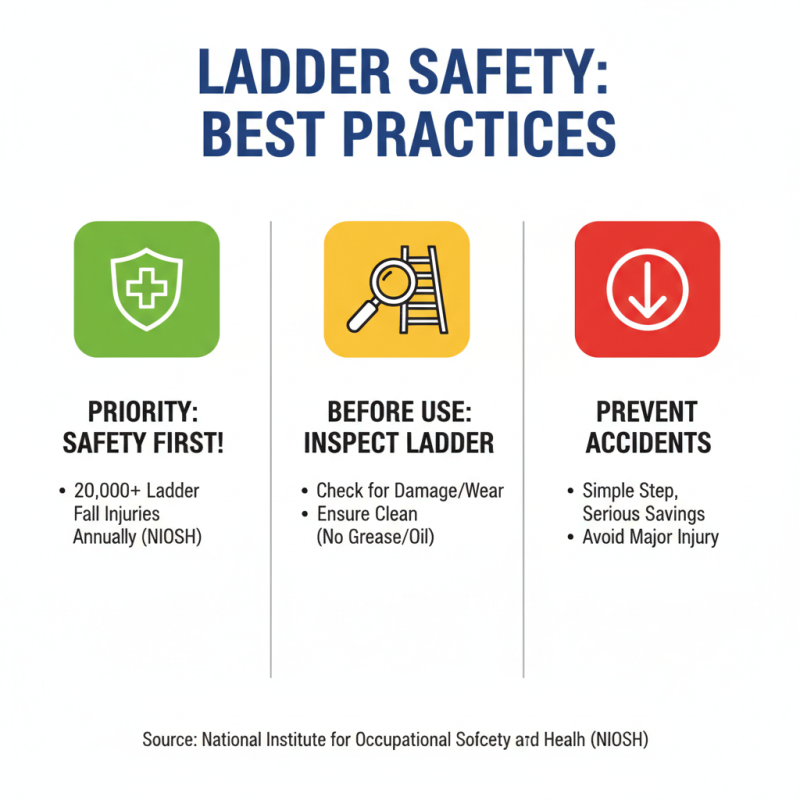
When setting up ladders, safety should always be the top priority. According to the National Institute for Occupational Safety and Health (NIOSH), falls from ladders account for over 20,000 injuries annually. To prevent accidents, inspect the ladder before use. Look for any visible damage or wear. Ensure it’s clean and free from grease or oil. This simple step can save you from a serious injury.
Choosing the right environment is crucial. Always place the ladder on a stable, level surface. Uneven ground can lead to falls. Make sure the ladder extends at least three feet above the landing point. This gives you a secure handhold when getting on or off. Remember, your balance is key. If the ladder feels wobbly, reconsider your setup.
Always maintain three points of contact while climbing. This means two hands and one foot, or two feet and one hand. It provides stability and reduces the risk of slipping. When carrying tools, use a tool belt. Avoid overreaching; this can lead to imbalance. If you feel fatigued or distracted, take a break. Safety matters more than speed. Prioritize your well-being over the task at hand.
Emergency Procedures for Ladder-Related Accidents
Ladder-related accidents are common. According to the Centers for Disease Control and Prevention (CDC), these incidents account for approximately 20% of fall-related deaths. Many workers and homeowners underestimate the risks involved. Safety measures are crucial, but accidents can still happen.
Ensure you know emergency procedures. In case of a fall, call 911 immediately. Check for injuries before moving the person. If they're unconscious or have significant injuries, do not attempt to move them. Keep them still and reassure them. If it's a minor injury, provide first aid, if trained.
Always keep a first aid kit nearby. This kit should include gauze, antiseptic wipes, and adhesive bandages. In case of a serious injury, follow the emergency plan. An effective response can save lives. Have emergency contact numbers handy. Review ladder safety tips regularly. Knowing how to react can make the difference between recovery and serious complications.
2026 Ladder Safety Tips Overview
This chart presents an overview of the importance of various ladder safety tips for both home and professional use, rated on a scale from 1 to 10, with 10 being the most important.
Related Posts
-

10 Best Ladder Safety Training Tips for a Safer Work Environment?
-
What is a ladder leveler and how does it work?
-

2026 Top Ladder Safety Tips to Prevent Accidents and Injuries
-

2026 How to Use the Pivit Ladder Tool Effectively for Your Projects?
-
How to Choose the Right Ladder Hoist for Your Needs?
-

2026 How to Install a Safety Rail for Maximum Protection?
What Can We Help You With?
CALL NOW TO ORDER
NH: 603-434-6911MA: 508-754-3030ME: Regular weekly deliveries from NH
CALL NOW TO ORDER
NH: 603-434-6911MA: 508-754-3030ME: Regular weekly deliveries from NH





























Featured Product

Streamlined. Safe. Flexible.
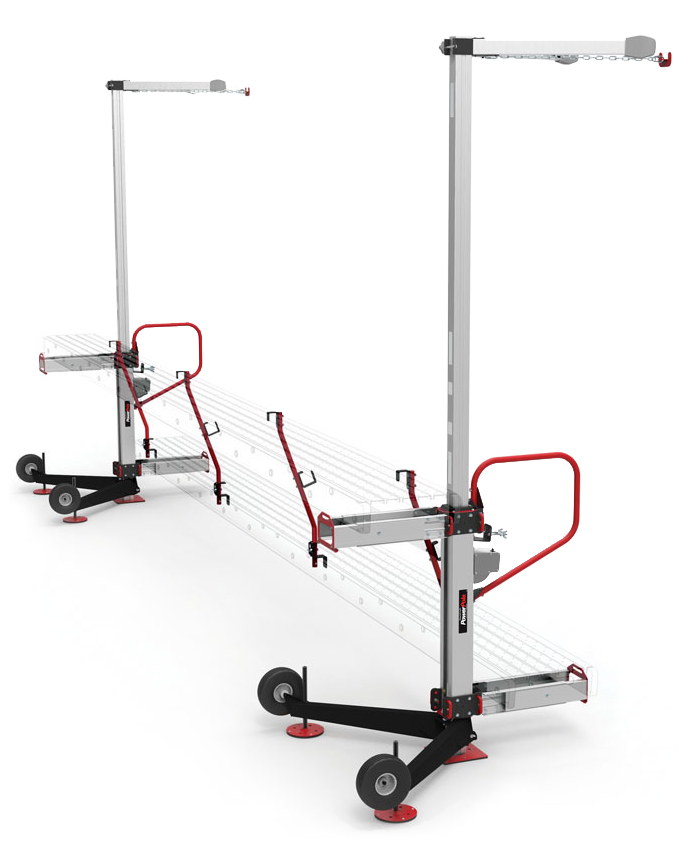
With the ReechCraft PowerPole, traditional scaffolding and pump jack systems are a thing of the past. Our streamlined design gains you access between buildings, on rooftops, around landscaping, and more. The PowerPole is perfect for contract work on residential areas.
See Products & Accessories
- ReechCraft Power Pole
- ReechCraft 4022465 – 10 in. x 10 in. Base Foot
- ReechCraft Platform Support
- ReechCraft 4022179 – Platform Support with PowerLatch Connector
- ReechCraft PowerLatch Assembly
- ReechCraft 4022084 – PowerPole 12 ft Pole Section
- ReechCraft 4022435 – PowerPole 6 ft Pole Section
- ReechCraft 4028334 – PowerPole Climbing Unit
- ReechCraft 4022096 – PowerPole Coupler
- ReechCraft 4022629 – PowerPole Extendable V-Brace
- ReechCraft 4022791 – PowerPole Outrigger
- ReechCraft 4022432 – PowerPole Standoff Tie
- ReechCraft 4022178 – PowerPole Super Standoff Tie
- ReechCraft 4022629 – PowerPole V-Brace
- ReechCraft 4022756 – Single Man Basket
- ReechCraft 4022071 – SpeedRail Endrail (Two-Pack)
- ReechCraft 4022765 – SpeedRail Midrail Post (Two-Pack)

Headache Racks That Turn Heads


See Products & Accessories

June 2022 - Month Long Promotion
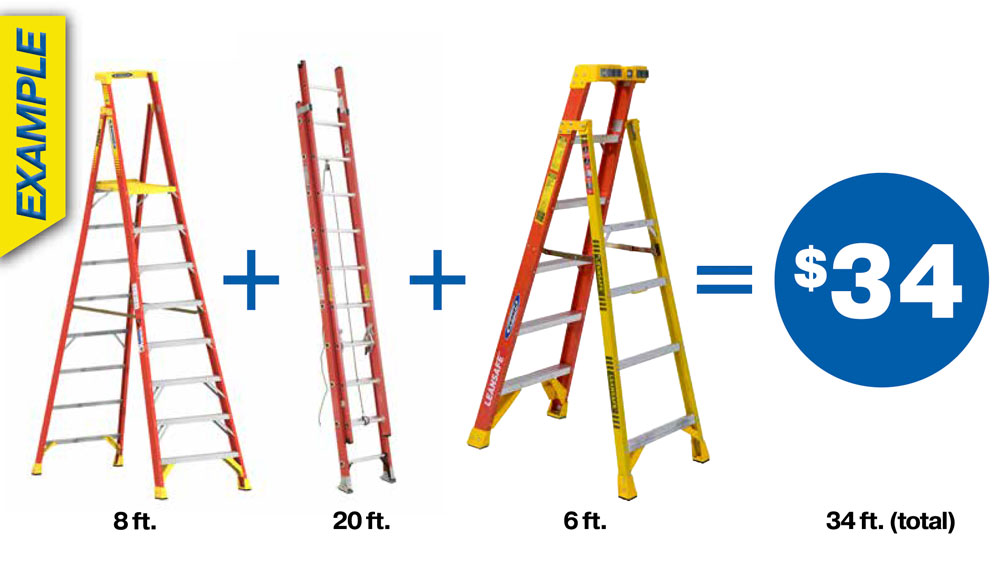
Buy any of the listed Werner ladders and get
$1 Off Per Foot
Demo and Safety Day
Don't miss our WernerCo Sfety and Demo Day BBQ
June 23rd, 2022 from 10am - 2pm
Chance to win giveaways
Cookout from 10am - 2pm
Werner fall protection and Weatherguard Specialists on site to answer any questions and perform safety and product demonstrations.

System One Modular Truck Equipment for New Hampshire, Massachusetts, Connecticut, Rhode Island, Vermont, and Maine Contractors
- Lewiston, ME
- Bar Harbor, ME
- Lexington, MA
- North Andover, MA
- East Hampton, CT
- Meredith, NH
- Concord, NH
- Bennington, VT
- Biddeford, ME
- West Fairlee, VT
- Hopkinton, RI
- Freeport, ME
- Danbury, CT
- Waterboro, ME
- Winslow, ME
- Buxton, ME
- Southington, CT
- Milford, NH
- Pownal, VT
- South Berwick, ME
- North Haven, CT
- Atkinson, NH
- Farmington, NH
- Whitingham, VT
- Pelham, NH
- Essex, VT
- Wallingford, VT
- Laconia, NH
- Narragansett, RI
- Fair Haven, VT
- Sandown, NH
- New London, NH
- Portsmouth, RI
- Haverhill, NH
- Needham, MA
- Bridgewater, MA
- Middletown, RI
- Montpelier, VT
- Barre, VT
- St. Johnsbury, VT
- Livermore Falls, ME
- Sandwich, MA
- Newport, RI
- Raymond, NH
- Tunbridge, VT
- Barnet, VT
- Brooksville, ME
- Gorham, ME
- Litchfield, ME
- Bristol, CT
- Rumford, ME
- Thompson, CT
- Dover, VT
- Westminster, VT
- Waitsfield, VT
- Torrington, CT
- Scituate, RI
- Barnstead, NH
- Lovell, ME
- Barton, VT
- Unity, ME
- Skowhegan, ME
- Groton, CT
- Northfield, VT
- Hopkinton, NH
- Limerick, ME
- Candia, NH
- Berwick, ME
- Killington, VT
- Peacham, VT
- North Hampton, NH
- Randolph, MA
- Bloomfield, CT
- Watertown, MA
- Wilmington, MA
- Methuen, MA
- Nashua, NH
- Plymouth, NH
- Newmarket, NH
- Alfred, ME
- Caribou, ME
- Weymouth, MA
- North Yarmouth, ME
- Bethel, CT
- Rocky Hill, CT
- Bristol, RI
- Sabattus, ME
- Salem, MA
- Londonderry, NH
- Chester, NH
- Westford, VT
- Stamford, CT
- Vershire, VT
- East Hartford, CT
- Norwich, CT
- Stratham, NH
- Windham, NH
- Vernon, CT
Knaack Jobsite Boxes, Chests, Cabinets, Workbenches, Field Offices, and Accessories
- Raymond, ME
- Fairfax, VT
- Presque Isle, ME
- Highgate, VT
- Norridgewock, ME
- Old Saybrook, CT
- Marblehead, MA
- Nashua, NH
- Mashpee, MA
- Auburn, NH
- Bowdoin, ME
- Milford, CT
- Bolton, CT
- Mendon, VT
- Dartmouth, MA
- Portland, CT
- North Haven, CT
- New Gloucester, ME
- Bourne, MA
- New Canaan, CT
- Belmont, NH
- Rutland, VT
- Fitchburg, MA
- Waterbury, CT
- Burlington, VT
- Fair Haven, VT
- Bethel, VT
- Greene, ME
- Chicopee, MA
- New London, CT
- Gloucester, MA
- Mechanic Falls, ME
- Wilmington, MA
- Fairfield, CT
- Methuen, MA
- Newport, ME
- Bakersfield, VT
- Monroe, CT
- Meriden, CT
- Prospect, CT
- Thomaston, ME
- Watertown, MA
- Winchester, ME
- Hampstead, NH
- Gilford, NH
- Pownal, VT
- Essex Junction, VT
- Lincoln, ME
- East Lyme, CT
- Tolland, CT
- Naugatuck, CT
- Dennis, MA
- Waldoboro, ME
- Derry, NH
- Bridgewater, MA
- Windham, NH
- Longmeadow, MA
- West Rutland, VT
- Warren, ME
- Coventry, RI
- Whitingham, VT
- Bow, NH
- Norway, ME
- Smithfield, RI
- Sharon, VT
- Amherst, MA
- Wells, ME
- Sabattus, ME
- Stoughton, MA
- Thetford, VT
- Tewksbury, MA
- Norwich, CT
- Rochester, VT
- Gray, ME
- Madison, ME
- Leominster, MA
- Newington, CT
- Sutton, VT
- Shelton, CT
- East Hampton, CT
- Darien, CT
- Haverhill, NH
- Houlton, ME
- Foster, RI
- Medford, MA
- Littleton, NH
- Seymour, CT
- Harrisville, RI
- Killingworth, CT
- Bellows Falls, VT
- Lunenburg, VT
- Saco, ME
- Peterborough, NH
- Frankfort, ME
- Albany, VT
- Plainville, CT
- North Kingstown, RI
Thule TracRac from the Thule TracRac Resellers New England Trusts
- South Windsor, CT
- Melrose, MA
- Manchester, CT
- Limerick, ME
- Glocester, RI
- South Portland, ME
- Brookline, NH
- Killingworth, CT
- Thompson, CT
- Groton, CT
- Montgomery, VT
- Mendon, VT
- Derby, VT
- Newington, CT
- Somersworth, NH
- West Haven, CT
- Merrimack, NH
- Bellows Falls, VT
- South Berwick, ME
- Gorham, ME
- Marblehead, MA
- Hudson, MA
- Alton, NH
- Jericho, VT
- Simsbury, CT
- Skowhegan, ME
- Plaistow, NH
- North Andover, MA
- Camden, ME
- Brookfield, CT
- Vergennes, VT
- Pittsfield, ME
- Hartford, VT
- Sanford, ME
- Swanzey, NH
- Kingston, NH
- Alfred, ME
- Needham, MA
- West Springfield, MA
- Underhill, VT
- Middletown, CT
- Amherst, NH
- Sidney, ME
- Natick, MA
- South Kingstown, RI
- Vershire, VT
- Richmond, ME
- Quincy, MA
- Bolton, CT
- Hallowell, ME
- West Hartford, CT
- Wardsboro, VT
- Avon, CT
- Bridgeport, CT
- Sudbury, MA
- Waltham, MA
- Marion, MA
- Waterbury, CT
- Southbury, CT
- Vernon, CT
- Warwick, RI
- Pembroke, NH
- Leominster, MA
- Torrington, CT
- Weare, NH
- Barrington, NH
- New Bedford, MA
- Charlestown, RI
- Jefferson, ME
- Pittsfield, MA
- Newport, NH
- Madison, ME
- Providence, RI
- Brookline, MA
- South Hadley, MA
- Barnstead, NH
- Peabody, MA
- Madison, CT
- Raymond, ME
- Barre, VT
- Augusta, ME
- Belmont, MA
- Ellington, CT
- Cambridge, MA
- Claremont, NH
- Falmouth, MA
- North Yarmouth, ME
- Norridgewock, ME
- Ipswich, MA
- East Providence, RI
- Johnston, RI
- Bedford, NH
- Scituate, RI
- Huntington, VT
- Seabrook, NH
- Danville, VT
- Clinton, CT
- Eliot, ME
Purchase Alum-A-Pole Products from Nation Wide Ladder – Ladder Distributors in MA, NH, CT, ME, VT, and RI
- Providence
- Cranston
- Warwick
- Pawtucket
- East Providence
- Woonsocket
- Newport
- Central Falls
- Manville
- Harrisville
- Burlington
- Barre
- South Burlington
- Rutland
- Essex Junction
- St Albans
- Montpelier
- Winooski
- Bellows Falls
- Newport
Purchase 28 Ft Extension Ladders from Nation Wide Ladder – Ladder Distributors in MA, NH, CT, ME, VT, and RI
- Providence
- Cranston
- Warwick
- Pawtucket
- East Providence
- Woonsocket
- Newport
- Central Falls
- Manville
- Harrisville
- Burlington
- Barre
- South Burlington
- Rutland
- Essex Junction
- St Albans
- Montpelier
- Winooski
- Bellows Falls
- Newport
Purchase 40 Ft Extension Ladders from Nation Wide Ladder – Ladder Distributors in MA, NH, CT, ME, VT, and RI
- Providence
- Cranston
- Warwick
- Pawtucket
- East Providence
- Woonsocket
- Newport
- Central Falls
- Manville
- Harrisville
- Burlington
- Barre
- South Burlington
- Rutland
- Essex Junction
- St Albans
- Montpelier
- Winooski
- Bellows Falls
- Newport
Purchase 28 Ft Fiberglass Extension Ladders from Nation Wide Ladder – Ladder Distributors in MA, NH, CT, ME, VT, and RI
- Providence
- Cranston
- Warwick
- Pawtucket
- East Providence
- Woonsocket
- Newport
- Central Falls
- Manville
- Harrisville
- Burlington
- Barre
- South Burlington
- Rutland
- Essex Junction
- St Albans
- Montpelier
- Winooski
- Bellows Falls
- Newport